Most people treat inflammation as a single problem with a single solution. Something hurts or feels inflamed, so you take an anti-inflammatory, rest, and wait. If the pain comes back, you manage it again. The underlying cause is rarely addressed, because most people — and much standard advice — treat all inflammation as the same thing.
It isn’t.
There are at least eight distinct types of inflammation, each triggered by a different mechanism, sustained by a different cellular process, and resolved by a different intervention. Some of them are essential — your body uses them to heal tissue, fight pathogens, and survive injury. Others are chronic, low-grade, and effectively silent: they produce no dramatic symptoms but accumulate tissue damage over months and years, driving everything from joint degeneration to cognitive decline to metabolic disease.
Understanding the difference is not academic. It changes what you eat, how you train, what you supplement, and how you interpret signals from your own body.
What Inflammation Actually Is
Before distinguishing the types, it’s worth being precise about what inflammation is at the cellular level, because most explanations are too vague to be useful.
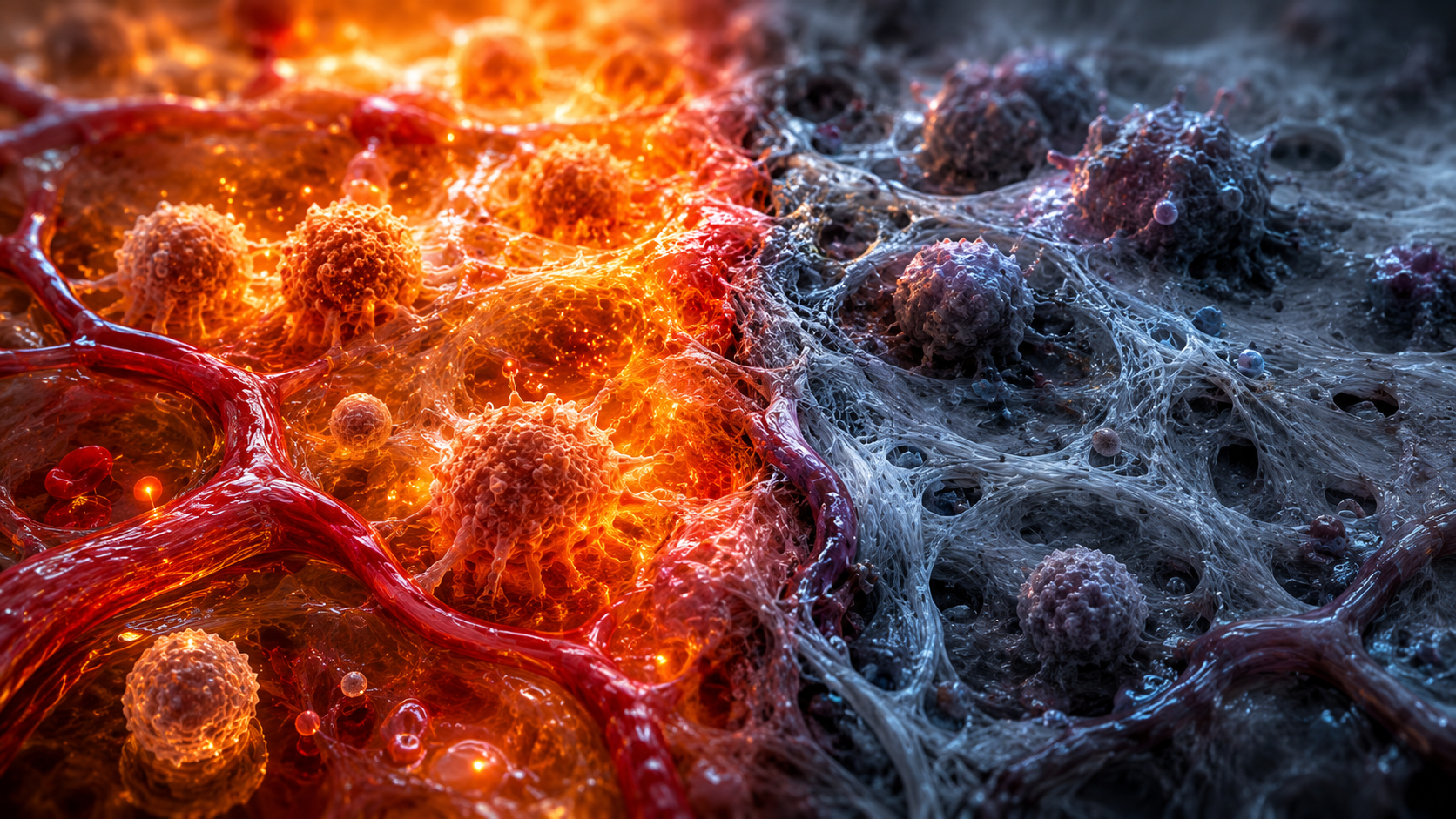
When tissue is damaged or a threat is detected — a pathogen, a toxic molecule, a mechanical injury — immune cells in that tissue release chemical signals called cytokines. The most well-studied of these are TNF-α, IL-6, and IL-8. These cytokines function as an alarm system: they dilate blood vessels to allow more blood flow, increase vascular permeability so immune cells can move from the bloodstream into the tissue, and recruit neutrophils and macrophages to the site.
The result — redness, heat, swelling, and pain — is not damage. It is the immune response doing exactly what it was designed to do: flooding the area with cells that can destroy pathogens, clear debris, and signal the tissue to begin repair.
The five-step sequence looks like this: threat detected → cytokines released → immune cells arrive → inflammation peaks → resolution or chronification.
The last step is the critical variable. In a healthy acute response, resolution happens. The cytokine signal winds down, the tissue clears, repair completes, and the immune system returns to baseline. In a chronic response, the signal never winds down. The immune system stays activated, cytokines keep flowing, and the tissue suffers continuous low-grade damage — sometimes for years — without the dramatic symptoms that would prompt most people to seek help.
The Two Categories: Acute vs Chronic
Every type of inflammation falls into one of two categories, and that categorisation determines almost everything about how you should respond to it.
Acute inflammation has a clear trigger, a clear peak, and a defined resolution. The immune system activates, does its job, and deactivates. The duration is typically hours to days to a maximum of two weeks. Acute inflammation is not a problem — it is a feature. Suppressing it aggressively (with NSAIDs at every muscle soreness, for example) can actually delay tissue repair. The goal with acute inflammation is to support resolution, not eliminate the response.
Chronic inflammation has no clean resolution. The immune system remains activated — sometimes at a low level that produces no obvious symptoms — for months or years. The damage accumulates slowly. By the time it becomes symptomatic (as joint pain, brain fog, digestive problems, or metabolic disease), the underlying process has often been running for a long time. Chronic inflammation requires active intervention to stop.
The fundamental question to ask about any inflammation you are experiencing is: does it resolve? Acute responses resolve within a predictable window. Chronic ones don’t — or they recur so reliably that they are effectively continuous.

The 8 Types
1. Trauma Inflammation — Acute (Good)
Trigger: physical injury — muscle tear, fracture, surgery, mechanical damage.
Duration: 7–14 days.
What happens: Cell rupture releases damage-associated molecular patterns (DAMPs), which activate the immune cascade. Neutrophils arrive first, then macrophages clear debris and release growth factors that signal tissue repair.
What to do: Support resolution — adequate protein and calories, sleep of 7–9 hours, and RICE protocol in the first 48 hours. Avoid heavy anti-inflammatory medication in the first few days, as it can interfere with the repair signal.
2. Metabolic Inflammation — Chronic (Bad)
Trigger: chronically elevated blood glucose, excess processed foods, advanced glycation end-products (AGEs), high dietary omega-6 ratio.
Duration: months to years.
What happens: Glucose spikes drive oxidative stress and mTOR overactivation. AGEs bind the RAGE receptor, triggering a sustained TNF-α cascade. Fat tissue (adipose) also becomes inflammatory when overfilled, secreting cytokines independently of any external threat.
Symptoms: persistent fatigue, joint aches, insulin resistance, elevated fasting glucose. Often misattributed to “just getting older.”
Timeline to resolve: 4–8 weeks of consistent dietary change.
3. Leaky Gut Inflammation — Chronic (Severe)
Trigger: gluten in sensitive individuals, NSAIDs (ibuprofen, naproxen), chronic psychological stress, dysbiosis.
Duration: months to years.
What happens: The gut lining is held together by tight junction proteins. When these junctions are compromised — by the mechanisms above — a molecule called zonulin is released, which forces them open. Lipopolysaccharide (LPS), a fragment of bacterial cell wall, crosses from the gut into the bloodstream. LPS activates TLR4 receptors throughout the body, producing a massive cytokine cascade involving TNF-α, IL-6, and IL-8.
Leaky gut is particularly significant because it is upstream of several other inflammation types. Neuroinflammation, autoimmune conditions, and intestinal inflammation can all be initiated or worsened by an impaired gut barrier.
Timeline to resolve: 4–8 weeks with trigger removal and active repair.
4. Autoimmune Inflammation — Chronic (Severe)
Trigger: Often originates from leaky gut via a process called molecular mimicry — the immune system, trained to attack a pathogen, mistakenly targets body tissue with a similar molecular structure. Genetic predisposition, viral infections, and chronic stress are also involved.
Duration: ongoing, requires management rather than cure.
What happens: B-cells produce autoantibodies that target self-tissue. T-cells infiltrate the affected organ and sustain damage. Examples include rheumatoid arthritis (joints), Hashimoto’s (thyroid), celiac disease (gut lining), and multiple sclerosis (myelin sheath).
What to do: Remove the triggering factor (often gluten or another identified trigger), repair the gut barrier, adopt an anti-inflammatory diet, and work with a physician on medical management where appropriate.
5. Allergic Inflammation — Acute (Rapid Resolution)
Trigger: allergen exposure — pollen, food proteins, insect venom.
Duration: minutes to hours.
What happens: IgE antibodies, bound to mast cells, cross-link when the allergen is encountered. This triggers rapid release of histamine, tryptase, and other mediators — producing the familiar symptoms of itching, hives, airway swelling, or anaphylaxis.
What to do: Allergen avoidance, antihistamines for mild reactions, epinephrine for anaphylaxis. Desensitisation (controlled progressive exposure) can reduce sensitivity over time.
6. Infectious Inflammation — Acute to Chronic
Trigger: bacteria, viruses, fungi — pathogen-associated molecular patterns (PAMPs) recognised by pattern recognition receptors (PRRs).
Duration: days to weeks in acute infection; can become chronic if the pathogen persists or if immune dysregulation develops.
What happens: PAMPs trigger a large-scale cytokine response including TNF-α, IL-6, and IFN-γ. Fever is a feature of this response — it slows pathogen replication. Antibiotics or antivirals address the root cause; rest and sleep allow the immune response to complete.
7. Neuroinflammation — Chronic (Severe)
Trigger: LPS crossing the blood-brain barrier (BBB), head trauma, chronic psychological stress, sleep deprivation.
Duration: months to years.
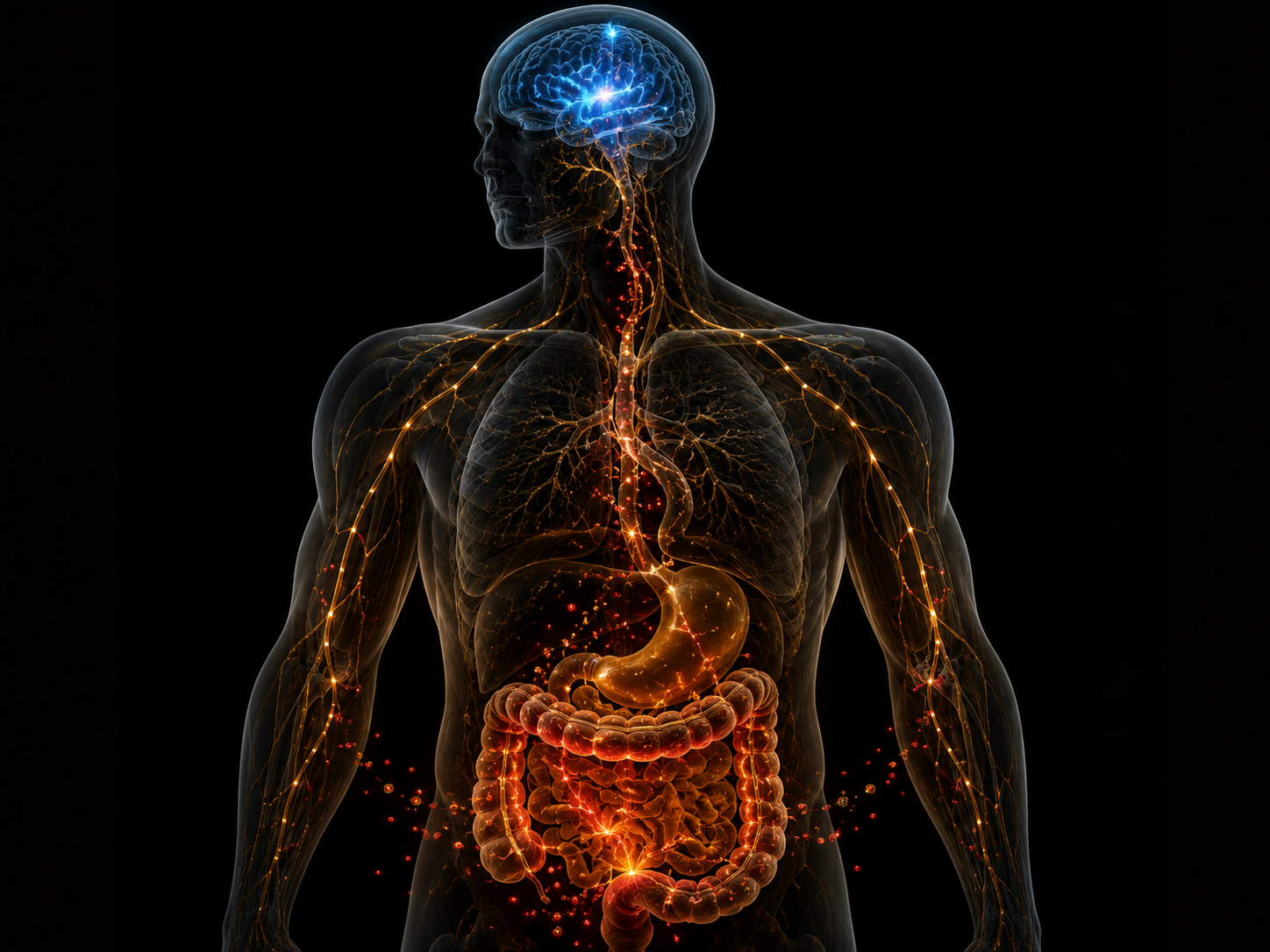
What happens: When LPS reaches the brain — typically through a compromised gut barrier — it activates resident immune cells called microglia. These produce IL-6 and TNF-α within the brain itself, causing synaptic damage and disrupting neurotransmitter production. The result is brain fog, reduced working memory, depression-like symptoms, and — in sustained cases — increased risk of neurodegenerative conditions.
Timeline to resolve: 8–12 weeks with gut barrier repair, omega-3 supplementation, curcumin, regular exercise, and stress reduction.
8. Intestinal Inflammation — Chronic (Bad)
Trigger: dysbiosis (imbalance of gut bacteria), food sensitivities, leaky gut.
Duration: months to years.
What happens: Pathogenic bacteria produce LPS and other inflammatory compounds directly within the intestinal wall. This activates local IL-6 and TNF-α production, damaging the intestinal villi — the structures responsible for nutrient absorption. The result is malabsorption, bloating, alternating bowel habits, and a progressively worsening gut environment.
Timeline to resolve: 4–8 weeks with dietary change, fermented foods, probiotics, and gut-repair supplements.
The Chronic Problem: How These Types Connect
A critical feature of the chronic inflammation types is that they do not occur in isolation. Leaky gut drives neuroinflammation (via LPS crossing the BBB) and can initiate autoimmune conditions (via molecular mimicry). Metabolic inflammation worsens gut dysbiosis, which worsens intestinal inflammation, which worsens leaky gut.
This is why addressing chronic inflammation often requires targeting multiple entry points simultaneously — not just suppressing a single symptom.
The shared root causes of the chronic types are remarkably consistent:
- Dietary: excess refined carbohydrates, processed foods, and omega-6 fatty acids. Insufficient whole food sources of polyphenols, fibre, and omega-3s.
- Lifestyle: chronic sleep deprivation, psychological stress, and physical inactivity — each of which independently elevates systemic cytokine levels.
- Gut: anything that compromises the gut barrier (NSAIDs, dysbiosis, gluten in sensitive individuals, stress-elevated cortisol).
The Universal Protocol
Every type of chronic inflammation responds to the same foundational set of interventions, in this sequence:
1. Identify the type. Ask: when did it start, what triggers or worsens it, does it resolve or recur? The answer distinguishes acute from chronic and gives you a target.
2. Remove the trigger. This is the step most people skip. For metabolic inflammation: refined carbohydrates and processed foods. For leaky gut: gluten (if sensitive), NSAIDs, and chronic stressors. For intestinal inflammation: identified food sensitivities. There is no supplement that compensates for a persistent trigger.
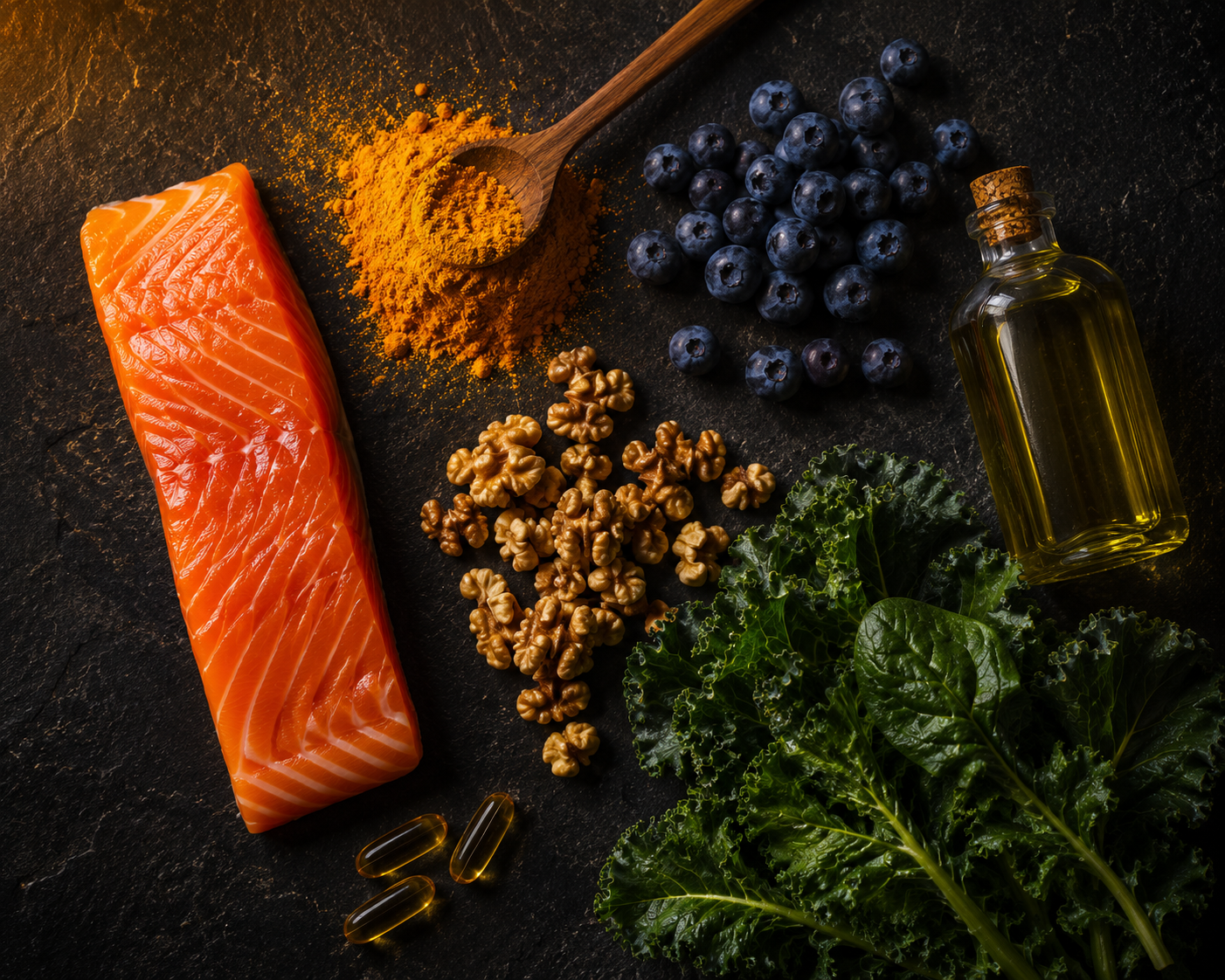
3. Shift the diet. Whole foods, high fibre (25–35g daily), omega-3 dominance over omega-6, and high-polyphenol foods — berries, leafy greens, olive oil, green tea, turmeric. These are not additions to an existing diet. They replace refined carbohydrate and processed food calories.
4. Repair the gut barrier. L-glutamine (5–10g daily), zinc (15–30mg), bone broth, fermented foods, and a quality probiotic. These provide the amino acid building blocks and micronutrients the intestinal lining needs to rebuild tight junction integrity.
5. Support resolution through lifestyle. Sleep of 7–9 hours (8+ for neuroinflammation recovery) is non-negotiable — most cytokine clearance happens during deep sleep. Regular exercise (both aerobic and resistance) independently increases IL-10, the body’s primary anti-inflammatory cytokine. Stress management — through whatever reliable practice works for you — prevents cortisol from continuously triggering zonulin release.
A Note on Supplements
Certain supplements have solid mechanistic evidence for reducing chronic inflammation when the dietary and lifestyle foundation is already in place:
- Omega-3 fatty acids (EPA + DHA, 2–3g daily): reduce TNF-α and IL-6 production, support both gut barrier integrity and brain health.
- Curcumin with piperine: inhibits NF-κB, the master switch for inflammatory gene expression. Needs black pepper extract for absorption.
- Zinc (15–30mg): essential for tight junction repair and immune regulation.
- L-glutamine (5–10g): the primary fuel source for intestinal epithelial cells; supports barrier rebuilding.
- Probiotics: multi-strain preparations including Lactobacillus and Bifidobacterium species support microbiome balance and reduce dysbiosis-driven intestinal inflammation.
These are not substitutes for dietary change or trigger removal. They are additions to a foundation that already exists.
The Quick Reference
| Type | Acute/Chronic | Duration | Key Trigger | Timeline to Resolve |
|---|---|---|---|---|
| Trauma | Acute | 7–14 days | Physical injury | 7–14 days |
| Metabolic | Chronic | Months–Years | High sugar, processed food | 4–8 weeks |
| Leaky Gut | Chronic | Months–Years | NSAIDs, gluten, stress | 4–8 weeks |
| Autoimmune | Chronic | Ongoing | Molecular mimicry, gut | Ongoing management |
| Allergic | Acute | Minutes–Hours | Allergen exposure | Immediate |
| Infectious | Acute → Chronic | Days–Weeks | Pathogen | Days–Weeks |
| Neuroinflammation | Chronic | Months–Years | LPS, stress, trauma | 8–12 weeks |
| Intestinal | Chronic | Months–Years | Dysbiosis, food | 4–8 weeks |
The practical takeaway from this table is simple: the three types with the longest resolution timelines — metabolic, leaky gut, and neuroinflammation — are also the three most driven by diet and gut barrier health. They are also the three most responsive to the same set of interventions.
Chronic inflammation is not an inevitable consequence of ageing or genetics. It is a consequence of sustained inputs — dietary, environmental, and lifestyle — that keep the immune system activated when it has nothing to fight. Remove those inputs, support the gut barrier, and give the body the raw materials it needs to resolve the response. The tissue can do the rest.
This is not medical advice. If you are managing a confirmed autoimmune condition or chronic inflammatory disease, work with a qualified healthcare professional before making dietary or supplement changes.
Want a nutrition and training plan built around reducing inflammation for the long term?
Work With Us →