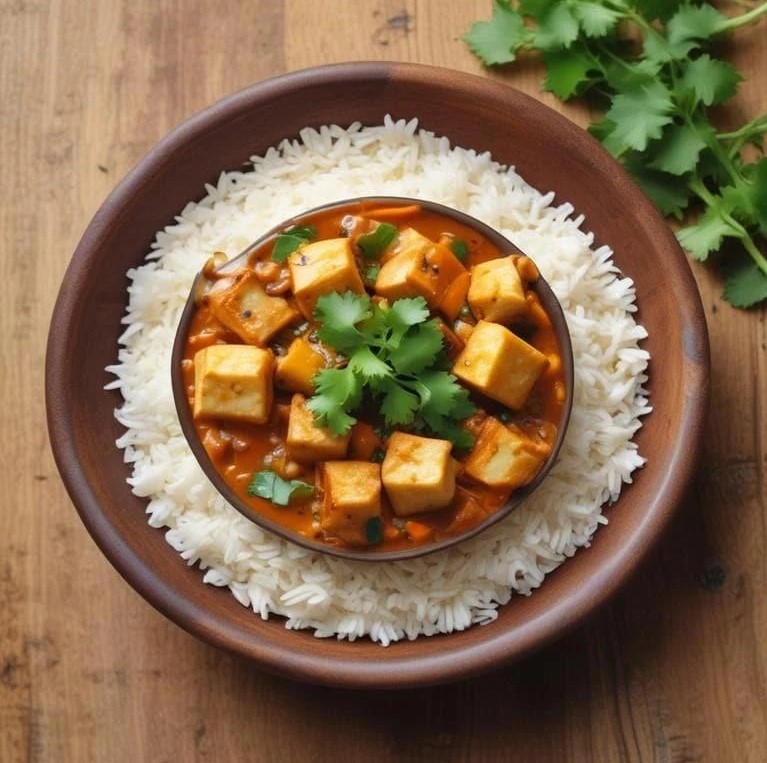
Here’s a question almost nobody can answer: how much protein did you eat yesterday?
If you’re like most people eating a typical Indian vegetarian diet, the honest answer is “probably not enough.” Two rotis, a bowl of dal, some sabzi, a cup of rice — it feels like a full, balanced meal. But add up the protein and you’ll often find a plate that’s 70% carbohydrate and barely 10–12g of protein.
That’s not your fault. Nobody ever taught you to read your food this way. So let’s fix that — in one article — and build you a simple plan to comfortably hit 80g of protein a day, mostly vegetarian, using foods already in your kitchen.
How much protein do you actually need?
You don’t need a supplement company’s marketing number. You need a sensible one.
- Bare minimum to not lose muscle: about 0.8g per kg of body weight.
- If you’re active or want to build/keep muscle and lose fat: roughly 1.2–1.6g per kg.
For a 60–70kg adult, that lands somewhere between 75g and 110g a day. So 80g is a brilliant, realistic starting target — high enough to actually change how you look and feel, low enough that you can hit it with normal Indian food and stay consistent.
"Protein is the one macronutrient most people under-eat and most diets get wrong. Nail this single number and half your nutrition is already sorted."
Why Indian vegetarian diets fall short on protein
The Indian thali is built around grains and starch — rice, roti, potato, poha, idli. These are wonderful foods, but they’re carbohydrate sources, not protein sources. Even dal, the food we all assume is “the protein,” is mostly carbohydrate once cooked, delivering only about 7g per katori.
The problem isn’t that vegetarian food lacks protein. It’s that we build the plate around the wrong thing. The fix is simple: stop treating protein as a side dish and start treating it as the anchor of every meal.
The most protein-rich vegetarian foods in India
Here’s what one typical serving of common foods actually gives you. Notice how a single block of paneer or a scoop of soya beats three rotis and a bowl of rice combined.
Protein per Typical Serving — Common Indian Foods
Approximate grams of protein. Build your plate around the top of this list.
A few more honest mentions: tofu (~8g per 100g), a handful of peanuts (~7g per 30g), sprouted moong (~7g per cup), besan/chickpea flour (~11g per 50g — hello, chilla), and hung curd / Greek yogurt (~9–10g per 100g, double normal curd).
The one rule that fixes everything
Forget complicated meal plans. Just follow this:
Put a protein anchor on every single meal and snack.
A protein anchor is one item from the gold zone above — paneer, soya, rajma/chana, a tall glass of milk, a bowl of curd, eggs (if you eat them). Carbs and veggies fill the rest of the plate. Do this four times a day and 80g happens almost automatically.
A sample 80g vegetarian day
Here’s a full day of normal Indian food. Watch the running total climb.
| Meal | What you eat | Protein |
|---|---|---|
| Breakfast | 2 besan chilla + 1 glass milk | ~21g |
| Lunch | 2 roti + soya chunk sabzi (30g dry) + 1 katori curd + salad | ~28g |
| Snack | Roasted chana (40g) + a glass of buttermilk | ~9g |
| Dinner | Paneer bhurji (100g paneer) + 2 roti + sabzi | ~24g |
| Daily total | ~82g ✅ |
No powders. No imported “superfoods.” No starving. Just protein moved to the front of the plate.
Eating non-veg? It gets even easier
If you eat eggs, chicken, or fish, hitting 80g is almost effortless — these are the densest protein foods available:
- 3 eggs ≈ 18g
- 100g cooked chicken breast ≈ 31g
- 100g fish ≈ 22g
One egg-based breakfast and one chicken-based meal can cover half your day’s protein on their own. Use them as anchors the same way.
Stop building meals around rice and roti. Build them around a protein anchor — paneer, soya, dal-plus-rajma, curd, milk, or eggs — at every meal and snack. Aim for ~80g a day to start. You don't need supplements or a complicated diet; you need to learn to *see* the protein in your food and put it first.
Want this built around your body, your kitchen, and your schedule?
Lifelong Athletics is an online coaching practice that teaches you how to eat and train for life — not a 30-day crash plan. We'll set your real protein and calorie targets, design meals around the food you actually like, and build the habits that make it stick. Apply For Online Coaching